5 Best Filtered Showerheads In 2026 (Tested & Reviewed)
 By Laura Mitchell
·
Loading…
By Laura Mitchell
·
Loading…
Pros
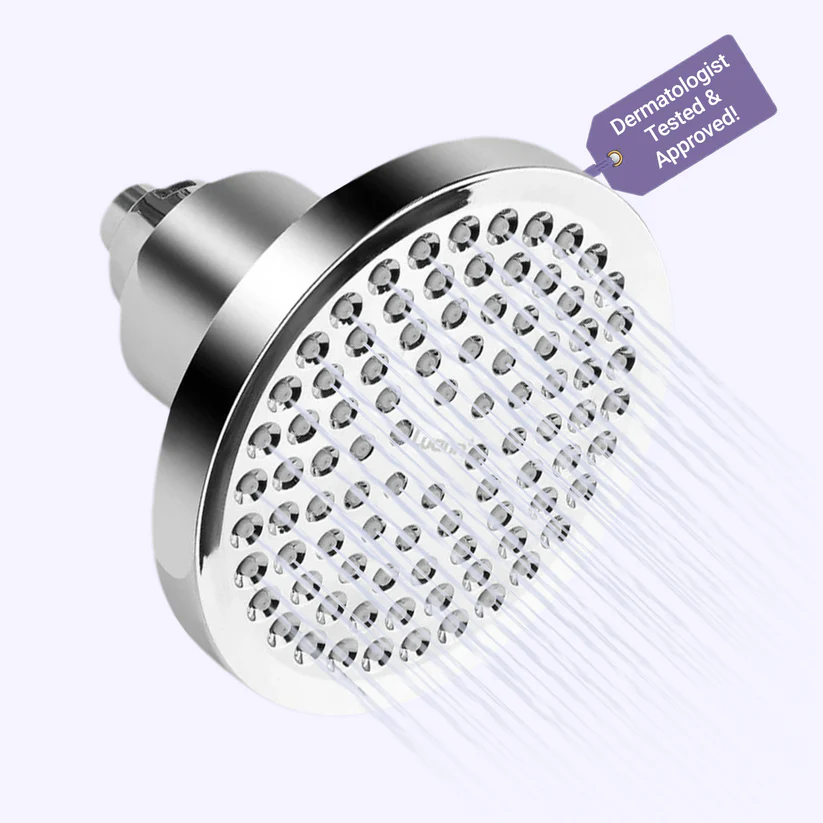
- Filters up to 99% of chlorine & common heavy metals
- 20-layer chlorine-targeted filtration system
- Boosts water pressure for a spa-style rinse
- Tool-free install in under 3 minutes (standard ½” U.S. fit)
- Rated 4.9/5 by 40,000+ customers
Cons
- Only available online through the official site
- Sometimes Out of Stock
The Bottom Line
Lucinn earned our #1 spot for combining strong, chlorine-targeted filtration with a premium
rain-style shower experience. The multi-layer filter includes components like KDF-55, activated
carbon, PP cotton, and mineral balls designed to support cleaner-feeling water and improved
comfort for skin and hair.
What pushed Lucinn ahead of competitors was the balance:
high pressure, fast install, and filtration that targets chlorine
and heavy metals without the “weak stream” problem many filtered heads create.
Pros
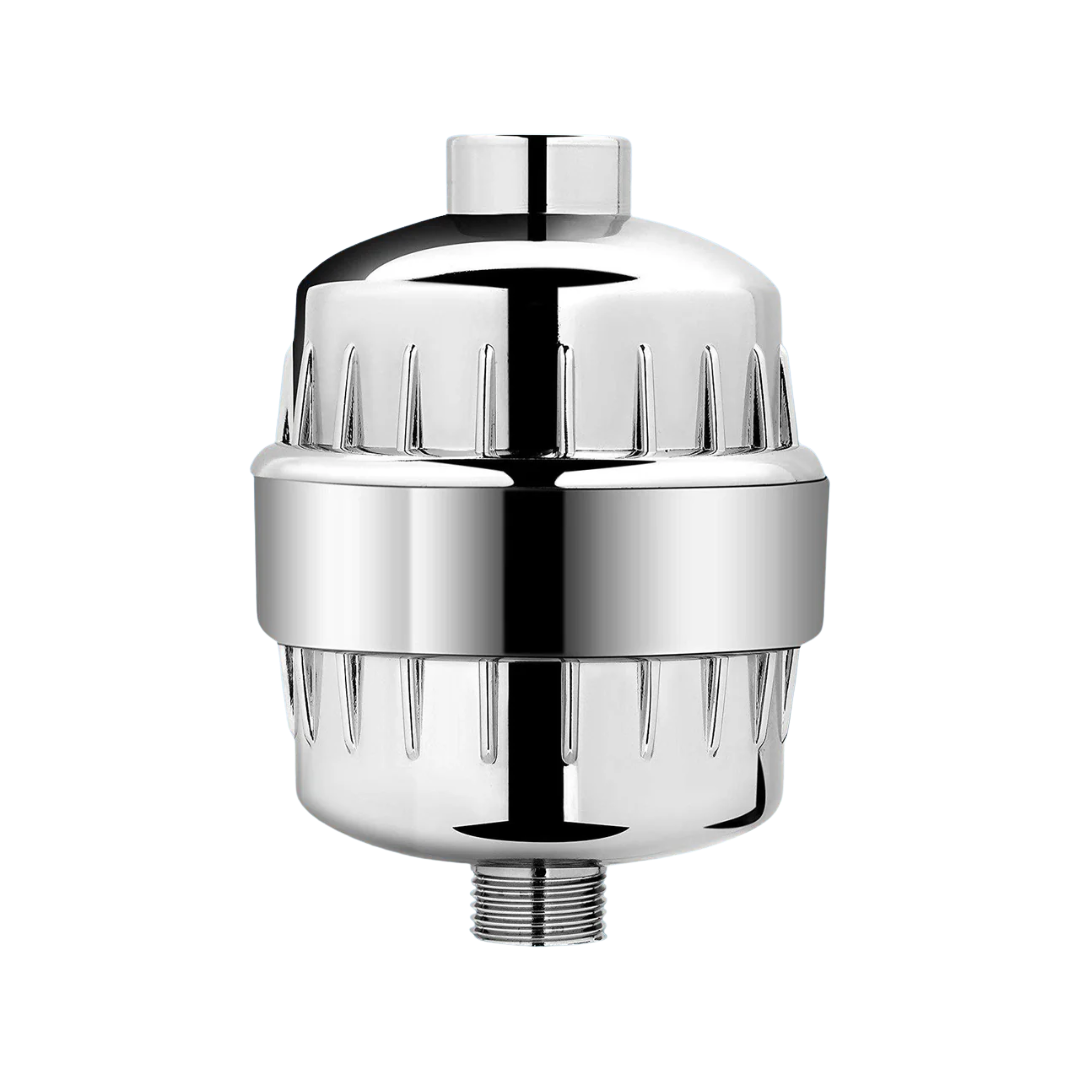
- Budget-friendly option for first-time shower filtration
- Multiple model choices and replacement filters are easy to find
- Decent filter lifespan for light-to-average water conditions
- Verified customer reviews across major marketplaces
Cons
- Limited chlorine reduction compared to higher-end systems
- Quality can vary between batches depending on model
- Not the best choice for very “harsh” water issues
The Bottom Line
AquaBliss is a solid “starter” pick for shoppers who want an affordable way to reduce shower odor
and improve overall water feel—especially in areas with relatively standard municipal water.
That said, it’s best to keep expectations realistic: while it can help with basic filtration and comfort,
it typically won’t deliver the deeper, spa-grade benefits you’d see from more advanced systems.
If your main concern is severe dryness, sensitivity, or very high chlorine levels, you may want to look at
stronger, independently-tested alternatives.
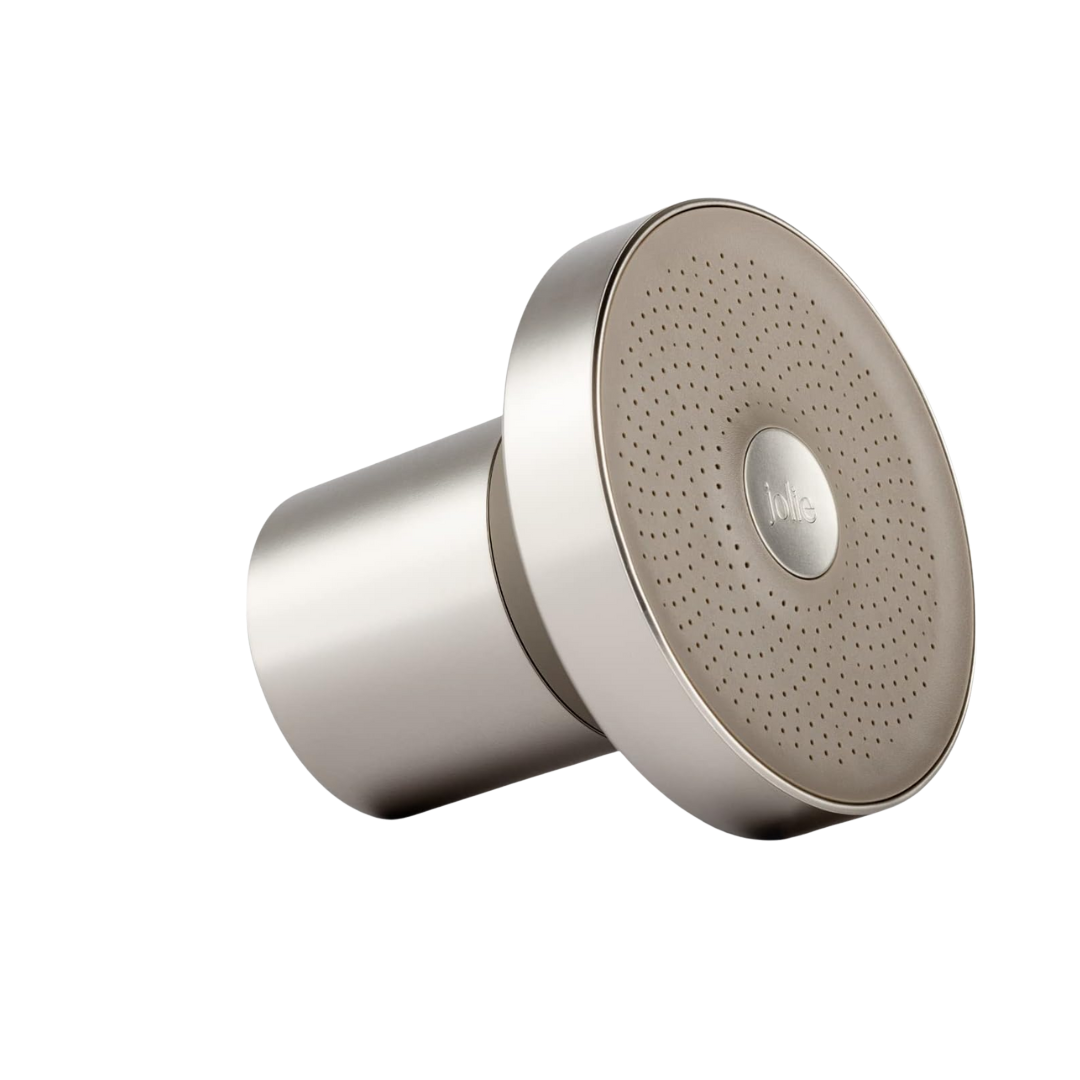
Pros
- Modern, “bathroom aesthetic” design that blends in easily
- Straightforward setup—most people install it in minutes
- Typically maintains a comfortable spray without feeling “weak”
- Often recommended by wellness & skin-focused creators
Cons
- Premium pricing (you pay for brand + design)
- Filter life can feel short compared to value-focused options
- Doesn’t meaningfully address hard water mineral buildup
The Bottom Line
Jolie plays in the “wellness + aesthetics” lane: it’s designed to look great while offering real
filtration benefits—especially for users who prioritize chlorine reduction and a clean, minimalist setup.
The trade-off is value. Much of the premium cost comes from branding and design, and other options can
offer similar performance for less. Choose Jolie if you want a sleek, Instagram-ready look and you’re okay
with ongoing filter costs.
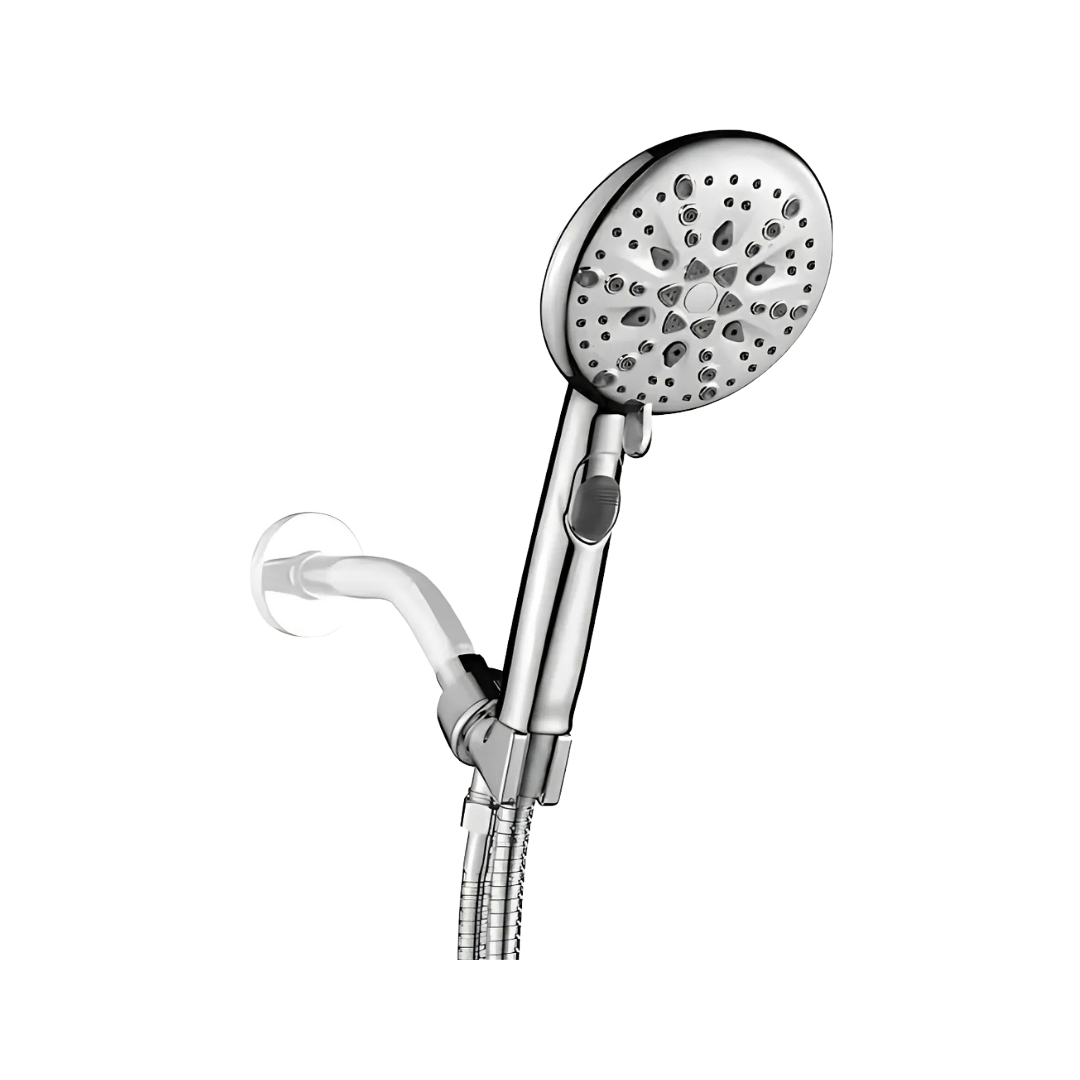
Pros
- Multi-mode spray options for different shower preferences
- Generally keeps strong water pressure without feeling weak
- Solid chlorine reduction for typical municipal water
- Long stainless steel hose adds flexibility and reach
Cons
- Limited independent testing compared to top-rated picks
- ABS construction may feel less premium than metal builds
- Filter performance can vary depending on local water quality
- May require extra clearance in tighter shower setups
The Bottom Line
Cobbe is a value-focused option that delivers strong chlorine reduction and comfortable shower performance
at a more accessible price point. The multi-stage filtration tends to work best with standard municipal
water, offering noticeable improvements for everyday households.
The downside is that it doesn’t bring premium materials or the same level of independent certification
you’ll see in higher-ranked models. Still, if you want practical results and good pressure without paying
luxury-brand pricing, Cobbe remains a reasonable pick.
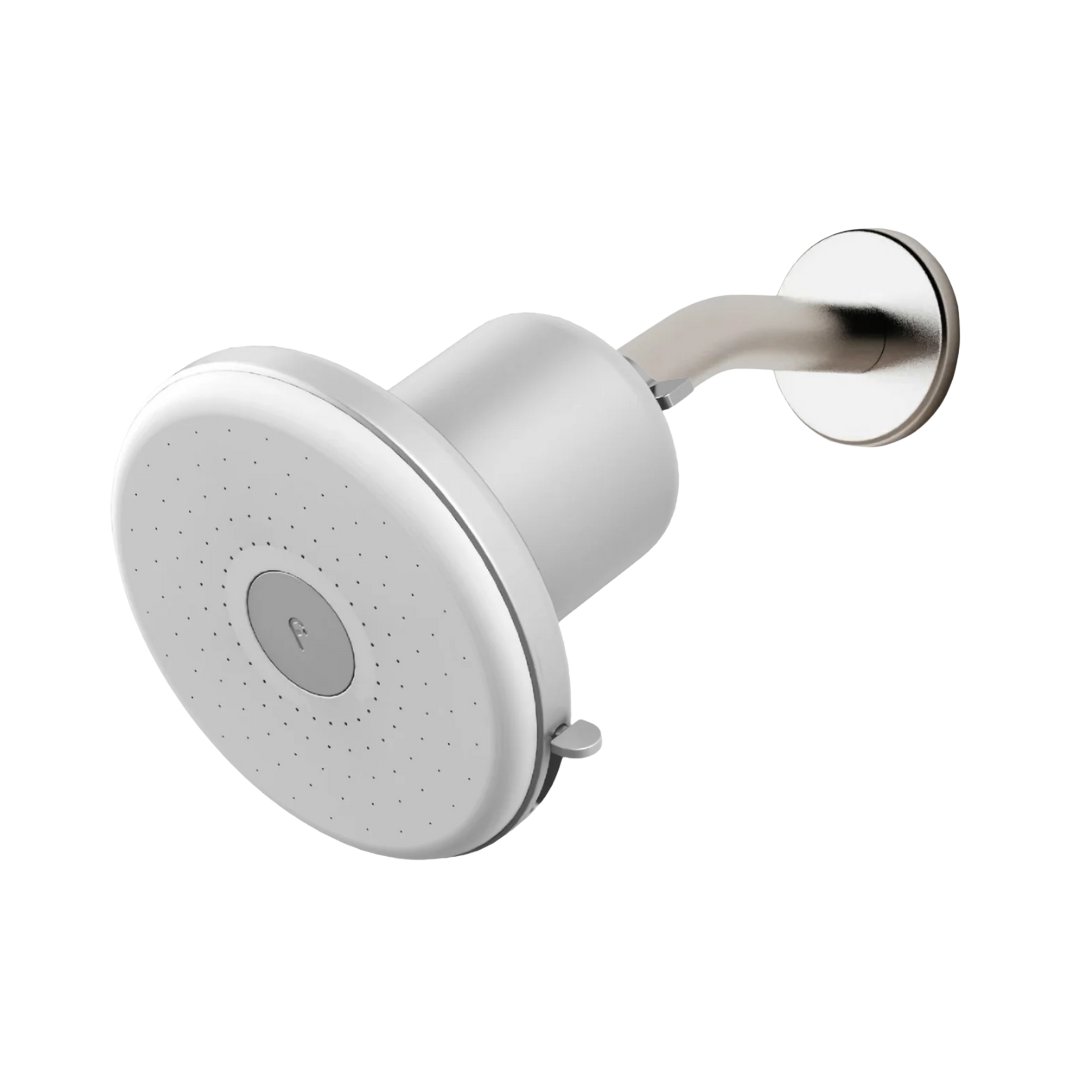
Pros
- ✔ TIME Magazine recognition
- ✔ Verified customer reviews
- ✔ Simple installation process
Cons
- ✖ False NSF certification claims
- ✖ Severe water pressure reduction
- ✖ Premium pricing
- ✖ Quality control complaints
The Bottom Line
Filterbaby’s credibility concerns overshadow any potential benefits. The confirmed false NSF certification claims raise serious questions about performance transparency. Combined with pressure complaints and premium pricing, this model fails to meet basic recommendation standards. Consumers seeking legitimate health benefits should prioritize verified, NSF-certified alternatives.